Traditional Oriental Wedding Dinner: A Designer's Guide to Cultural Visuals
Capturing Cultural Richness in a Flat Color Vector Set
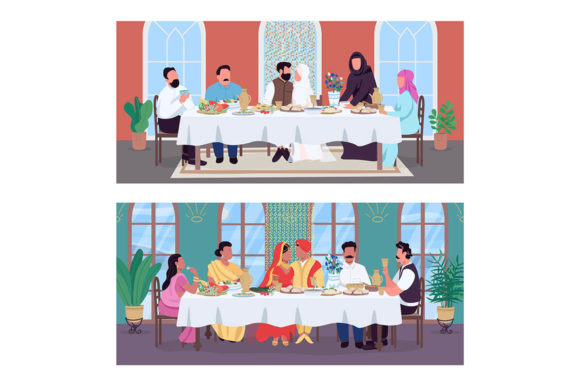
When you're tasked with creating visuals that honor a specific cultural tradition, generic clip art just won't do. You need assets that are authentic, respectful, and brimming with the right details. That’s where a resource like the Traditional Oriental Wedding Dinner flat color vector illustration set becomes invaluable. This isn't just a collection of random wedding graphics; it's a carefully curated design toolkit built around the vibrant aesthetics of Indian and Muslim marriage ceremonies. Think of it as a visual dictionary for celebratory design, packed with the symbols, patterns, and characters that tell a real story.
The personality of this illustration style is warm, joyful, and deeply ceremonial. The "flat color" approach means you get bold, clean shapes without gradients or complex shading, which is a massive practical advantage. This style translates perfectly across both digital and print media, ensuring your colors stay vibrant and your lines stay crisp whether you're designing a website banner or a printed invitation. The overall appeal lies in its versatility and modern take on tradition. It respects cultural iconography—the intricate henna patterns, the ornate fabrics, the architectural details of a traditional mandap or nikah setting—while presenting them in a contemporary 2D cartoon format that feels accessible and engaging for a broad audience.
Where This Illustration Set Shines: From Branding to Personal Projects
Understanding the assets you're working with is the first step. The second is knowing exactly where to deploy them for maximum impact. This set, containing EPS, JPG, PNG, SVG, and AI files, is built for professional use. The vector formats (EPS, SVG, AI) are your best friends here. They allow you to scale any illustration to the size of a billboard or a postage stamp without losing a single pixel of quality. This makes them ideal core components for a brand identity in the wedding planning industry. Imagine using a beautifully detailed illustration of a ceremonial plate or a joyful couple as the cornerstone of a logo design for a catering company specializing in South Asian cuisine or a wedding planning service focused on multicultural events.
Beyond logos, the applications are incredibly broad. For editorial design, these illustrations can break up text-heavy pages in a magazine or blog post about wedding traditions, adding visual interest and cultural context. In packaging design, a small, elegant motif from the set could elevate the look of a gift box for wedding favors or specialty teas. The digital realm is equally rich with opportunity. Use these characters and decorations to create cohesive social media graphics for a wedding venue's Instagram campaign. Design a series of eye-catching posts promoting a cultural festival or a food market. The consistent style ensures that even when you use different elements, your feed will have a unified, professional look. For small business owners, especially those in the e-commerce space selling ethnic fabrics, jewelry, or homewares, these illustrations can add authentic flair to product listings, email newsletters, and thank-you cards, directly enhancing the customer experience.
Making It Work: Practical Guidance for Designers and Creators
Having a premium design asset is one thing; using it effectively is another. Here’s how to get the most out of the Traditional Oriental Wedding Dinner set.
- Evaluate Project Fit First: Before you dive in, ask yourself if the visual style aligns with your project's tone. The cartoonish, friendly aesthetic is perfect for celebratory, consumer-facing content. It might be less appropriate for a highly formal, corporate legal document, but it's a perfect match for a festive atmosphere.
- Master the Art of Font Pairing: The illustrations have a distinct personality, so your typography needs to complement, not compete. Since the illustrations are decorative and detailed, pair them with a clean sans serif font for body text to ensure readability. For headlines, you could experiment with a serif font that has a touch of elegance, or even a script font that echoes the flowing lines of henna art, but use such display fonts sparingly. The goal is visual hierarchy: let the illustrations capture attention, and let your text deliver the message clearly.
- Leverage the File Formats: Use the PNG files with transparent backgrounds for quick composites in tools like Canva or for web graphics where you need to overlay elements. Use the AI or EPS files in Adobe Illustrator to change colors, edit shapes, or isolate specific elements. This flexibility is what turns a static asset into a dynamic design toolkit.
- Readability and Cultural Consistency: If you're using these visuals to represent a specific culture, ensure the accompanying text and overall context are respectful and accurate. The illustrations are a starting point; your content should honor the traditions they depict. This attention to detail builds brand perception and trust with your audience.
- Check the License: This is non-negotiable for commercial work. The ZIP file typically comes with a license that outlines permitted uses. Review it carefully. Most standard licenses allow for use in commercial projects like client work, merchandise, and marketing materials, but it's always your responsibility to confirm. This ensures you're using the commercial font and asset legally, protecting both you and your clients.
In the end, this illustration set is more than just a collection of files. It's a bridge to creating designs that resonate on a cultural level. By understanding its visual language, applying it thoughtfully across the right projects, and pairing it with solid modern typography, you can produce work that is not only beautiful but also meaningful and effective. It’s about adding a layer of authentic storytelling to your design assets, whether you're crafting a brand identity, a marketing campaign, or a personal keepsake.